
Google's rrsi framework enables self-improving AI agents through rigorous evaluation
Google Research has unveiled RRSI (Regularized Recursive Self-Improvement), a framework enabling AI agents to self-improve by rewriting their components without overfitting. The method uses Python, Docker benchmarks, and Vertex AI to evaluate edits to an agent’s harness, prompts, tools, and control flow. It includes a noise band, annealed edit budget, and deterministic critic to ensure edits are effective and efficient. RRSI measures S (reward) and C (token cost) and uses a selection algorithm to determine which edits to keep. A history tracker records each edit’s impact. Tested in a simulated environment, RRSI reduced token costs and avoided memorization, outperforming an unregularized search. The RRSI process uses a selection algorithm evaluating candidates based on gain and cost, accepting only edits that improve performance without excessive token usage. A critic screens edits for leaks or memorization of task answers. Across multiple rounds, RRSI achieved a held-out score of 0.759, significantly outperforming an unregularized search. Its ability to avoid overfitting and reduce token costs highlights its potential for self-improving AI agents. The research underscores the importance of rigorous evaluation in AI development, ensuring improvements are effective and sustainable.

Pollo AI leverages OpenAI models to simplify video creation for creators and marketers
Pollo AI, a platform that enables creators to transform ideas into videos and ads, has integrated OpenAI models such as GPT-5.6, GPT-6 Astra, and GPT-Image-2.5 to streamline the video creation process. Founded on the belief that creative tools should be accessible to all, the company now serves over 26 million users. Bill Zhu, CEO of Pollo AI, stated the goal is to make video creation as intuitive as Canva did for design. Pollo AI’s latest offering, Pollo Agent, uses OpenAI models to guide users through video creation, from concept to script. CTO Peter Zhou highlighted the models’ ability to understand ambiguous inputs and their multimodal capabilities. The platform balances reasoning depth, speed, and cost by using GPT-5.6 for routing and GPT-6 Astra for complex tasks, reducing user time spent on model selection by over 50%. Pollo AI also offers tools like Photo to Video Ads, which allows users to generate short videos from still images, helping small businesses create social media ads quickly.
Oracle streamlines workflows with AI tools across key departments
Oracle is leveraging ChatGPT Work and Codex to transform workflows across recruiting, engineering, and operations, significantly reducing the time required for tasks that once took days. Over 100,000 employees are using these tools, enabling non-specialists to complete tasks in minutes. In talent acquisition, recruiters now use a tool built with ChatGPT Work to gather market intelligence, cutting research time from 2–4 days to 15–20 minutes. Jan Ackerman, Oracle’s Senior Vice President of Talent Acquisition, noted the shift from zero to a hundred in efficiency. In the Oracle Applications Lab, Codex helps convert plain-language business questions into accurate SQL queries, with users reporting results that match manual processes. Site reliability engineers use Codex to quickly resolve incidents, reducing resolution times from an hour to minutes. Lam emphasized that while AI handles much of the work, human oversight remains critical to ensure system integrity. Oracle’s approach involves setting guardrails, providing prototypes instead of specs, and ensuring code ownership. Barry Shilmover, Vice President and Technical Advisor to the CIO, highlighted the importance of working alongside Codex to maintain maintainable code. The company’s shift toward AI-driven workflows continues as thousands of employees across various departments adopt these tools to tackle new challenges.
Laya: a zero-shot decision engine for real-world applications
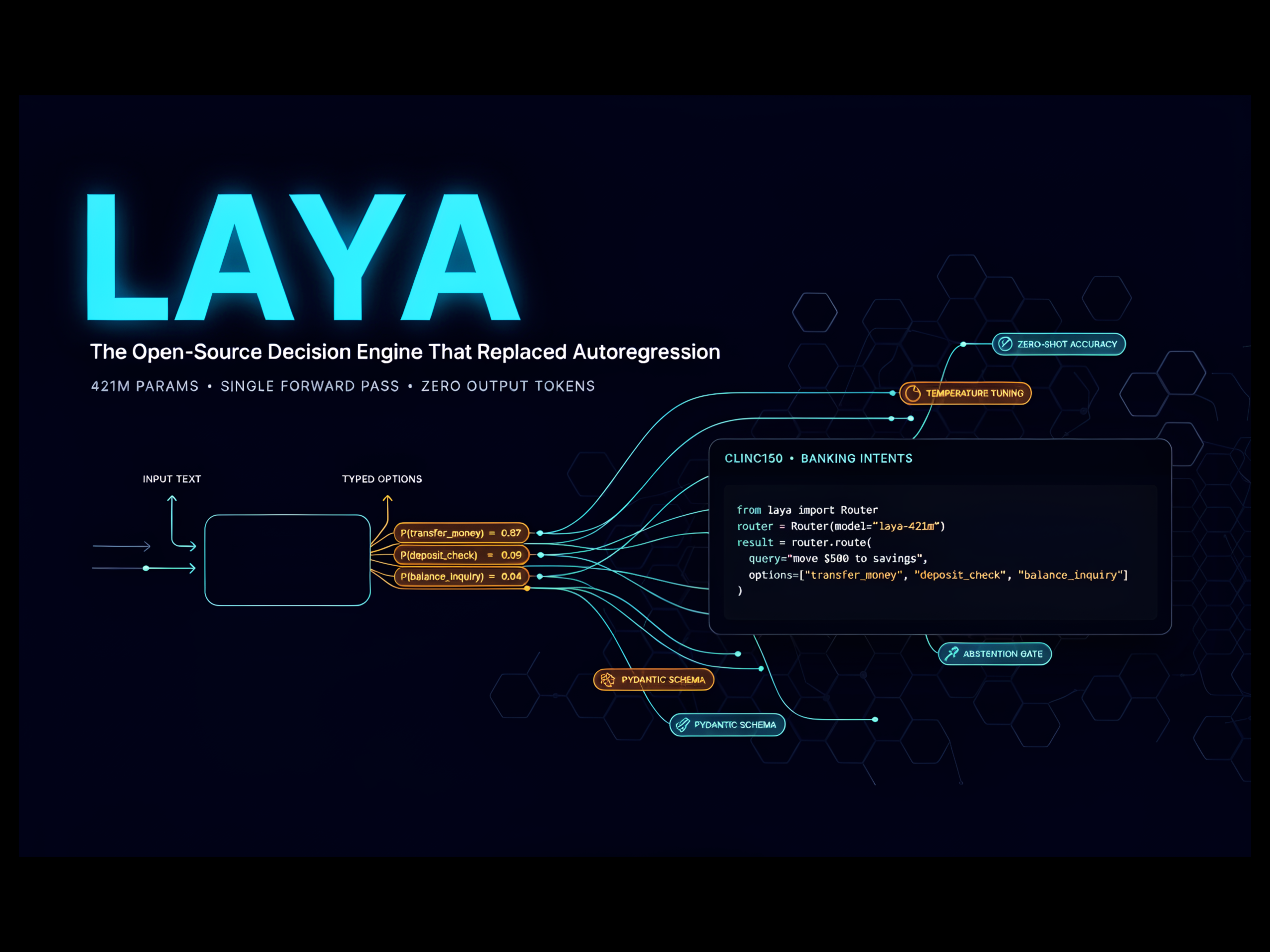
Laya, an open-source decision engine from Convai Innovations, has been tested on real-world data to demonstrate its capabilities in zero-shot learning. Released as version 0.3.27, Laya processes multiple typed questions in a single forward pass without generating text, offering speed and calibrated probabilities. The model was evaluated on the CLINC150 dataset, achieving 0.878 accuracy on 15 banking intents without training data, surpassing a TF-IDF classifier with 30 examples per intent. Laya’s calibration module adjusts temperatures based on validation data, reducing calibration error from 0.102 to 0.059. It also implements an abstention gate, filtering out 35 of 450 test answers. The model’s confidence scores, however, remain biased, with yes/no questions showing a 0.5 threshold that misses 28.9% of banking queries. A pydantic schema integrates Laya into application code, allowing for explicit handling of uncertain intents. The study highlights the need for custom calibration and testing on real data, as default settings may not align with specific use cases.
Strata engine enables 125b Qwen3.8 model on 12gb GPU with 94 tokens per second performance
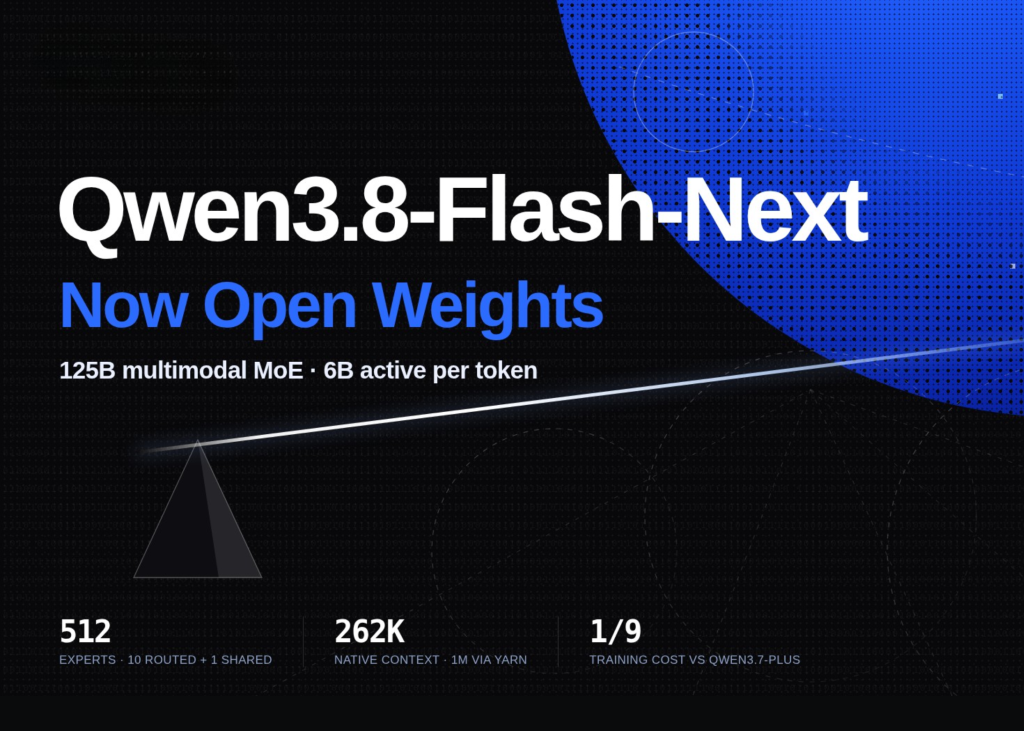
A new engine called Strata has been released by developer Niko1221, allowing the 125B parameter Qwen3.8-Flash-Next model to run on consumer-grade GPUs with 12GB or more VRAM. The model, developed by Alibaba's Qwen team in August 2026, is a compressed version of a multimodal MoE model with 125B parameters and a 51B parameter n-gram embedding table. It supports up to 262K token context length. Strata reduces memory usage by loading the entire MoE model into RAM and only the frequently used experts into VRAM. It also uses lightweight models for speculative decoding to speed up inference. On an RTX 5070 with 12GB VRAM, the 2-bit quantized version of the model achieves 94 tokens per second, while the 3-bit version reaches 53 tokens per second. The AMD RX 9070 XT with 16GB VRAM also shows performance with the 2-bit version at 60 tokens per second.
Streaming robotics learning pipeline built using NVIDIA cosmos3-droid dataset
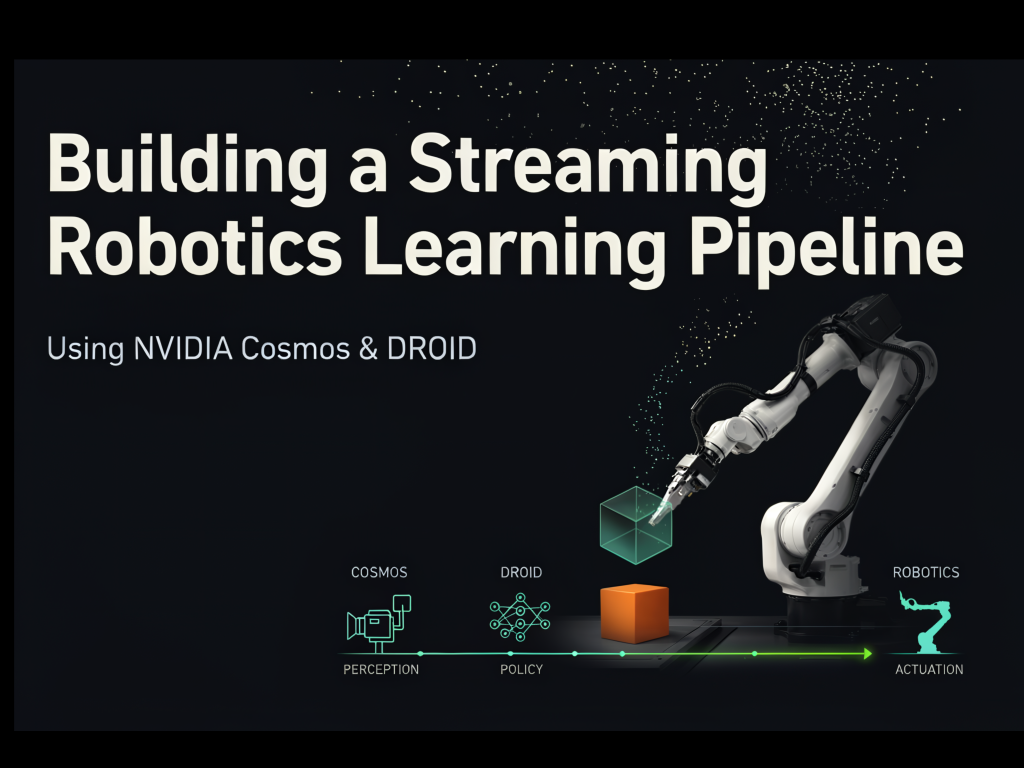
Researchers have developed a streaming robotics learning pipeline using the NVIDIA Cosmos3-DROID dataset, enabling analysis and training without downloading the 707 GB repository locally. The approach leverages metadata-driven episode discovery, column- and row-group-level Par,quet projection, and seek-based video decoding to access only the required data for analysis and training. The pipeline converts individual episodes into state-action trajectories, analyzes joint motion, gripper events, and action-frequency spectra, and decodes only the necessary AV1 video windows. It also normalizes observations and actions using dataset statistics, constructs an ACT-style PyTorch dataset, and trains a multimodal behavior-cloning policy. The trained policy is evaluated through open-loop rollout with temporally ensembled action chunks, and results are visualized against ground-truth actions. The workflow provides a compact, extensible foundation for scaling across additional shards, failure demonstrations, and alternative action representations. The method supports both PyAV and FFmpeg decoding paths for efficient AV1 video processing and allows for optional caching of visual observations to manage computational resources. Training uses AdamW optimizer, OneCycle learning-rate scheduling, and mixed-precision execution. The final model includes normalization statistics and configuration metadata for reuse in future experiments. The project highlights the potential of metadata-driven data access in handling large-scale robotics datasets efficiently.
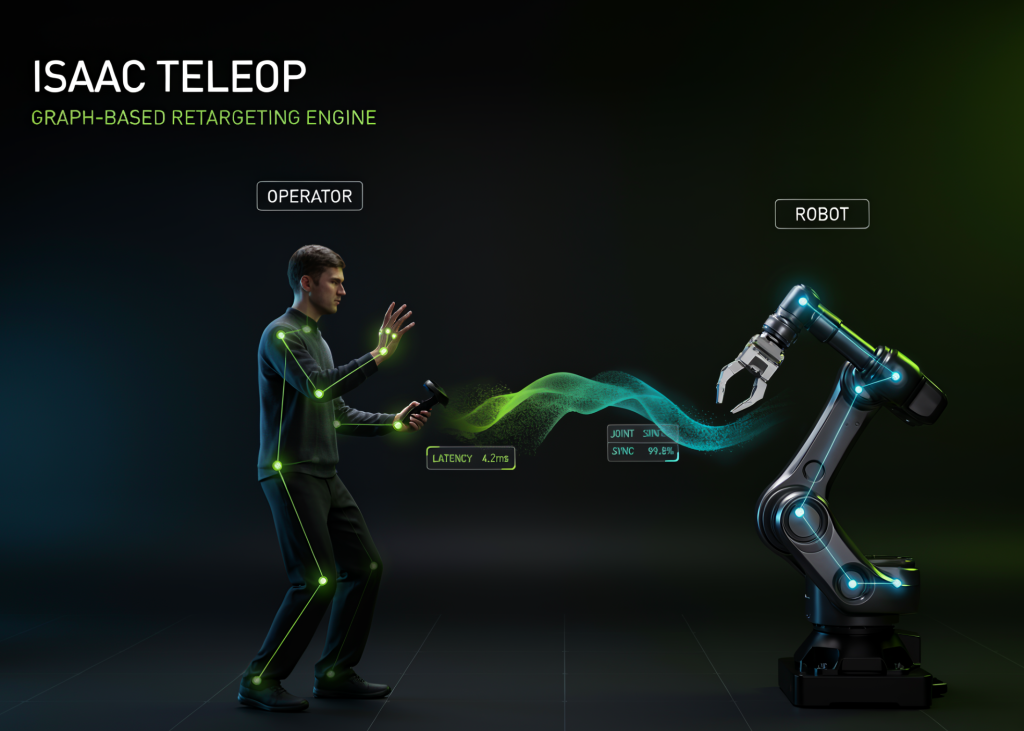
Nvidia's isaacteleop framework enables robot control via hand and controller tracking
NVIDIA’s IsaacTeleop framework allows users to control simulated and real robots using hand and controller tracking data, without requiring a headset. The tutorial demonstrates how to build input data manually using NumPy, bypassing the need for hardware. The system relies on a graph-based retargeting engine that translates hand and controller inputs into robot actions. Key components include TensorGroupType for data validation, OptionalType for handling missing inputs, and ParameterState for tuning behavior. The framework supports built-in retargeters like GripperRetargeter and SE(3) retargeters, which map controller inputs to robot movements. A synthetic pipeline was tested, showing how the system can replicate headset input with a single controller. The tutorial also highlights how parameter tuning and calibration persist across sessions, ensuring consistent performance. By using plain Python and typed tensor groups, the framework enables flexible and reliable robot control without hardware dependencies. The project is open-source, with code available for further exploration.

Decision AI models gain momentum: TypeSafe jev leads the charge against Fastino and open-source rivals
Decision AI models, which return structured decisions rather than text, have gained traction with the launch of TypeSafe AI's Jev. Introduced after two years in stealth, Jev is marketed as a 'System One model,' inspired by Daniel Kahneman's fast thinking. Within three weeks, Fastino Labs and open-source developers released competing models. Jev processes questions in parallel, offering fast responses and avoiding type errors. It uses Reinforcement Learning for Calibrated Decisions (RLCD) and costs $0.042 per million input tokens. Jev outperformed Sonnet 5 in accuracy but lagged behind top models by 6.3 points. Vercel reports Jev became the fastest-adopted model in AI Gateway history, with 13% of paid teams using it within 24 hours. Fastino's GLiDE and GLiNER2.5-Decide models use different testing and comparison methods, including JevK5, an open-source reproduction. While decision models are not new, the 2026 shift in packaging, driven by four forces, has accelerated their adoption.

Guide to optimizing gpt-6 models for efficiency and performance
OpenAI has released a comprehensive guide detailing best practices for maximizing the performance of its GPT-6 model suite. The guide emphasizes selecting the appropriate model for specific tasks, balancing cost, latency, and capability. It highlights the use of caching and compaction to reduce context size and costs, while also improving task success rates. Eric Provencher, Developer Experience at OpenAI, notes that models have improved in understanding nuance, making overly specific guidance less effective. The guide outlines different model variants—GPT-6 Astra for complex reasoning, GPT-6.1 Sol for coding and research, and GPT-6 Luna for routine, scalable tasks. It also covers adjusting reasoning levels, using fast and ultrafast modes for speed, and managing long-running workflows through steering, asynchronous tools, and delegation. The guide stresses the importance of clear instructions, decision boundaries, and persistent task completion, offering practical advice for developers and teams deploying GPT-6 in production environments. The guide further explains how to integrate computer use capabilities for interacting with websites and desktop apps, even those without APIs. It recommends using APIs or connected tools for direct tasks and computer use for screen interactions. Developers are advised to implement tools like Playwright or PyAutoGUI for browser and desktop control. The guide concludes with best practices for testing, monitoring, and cost estimation, ensuring efficient and effective deployment of GPT-6 models in real-world applications.
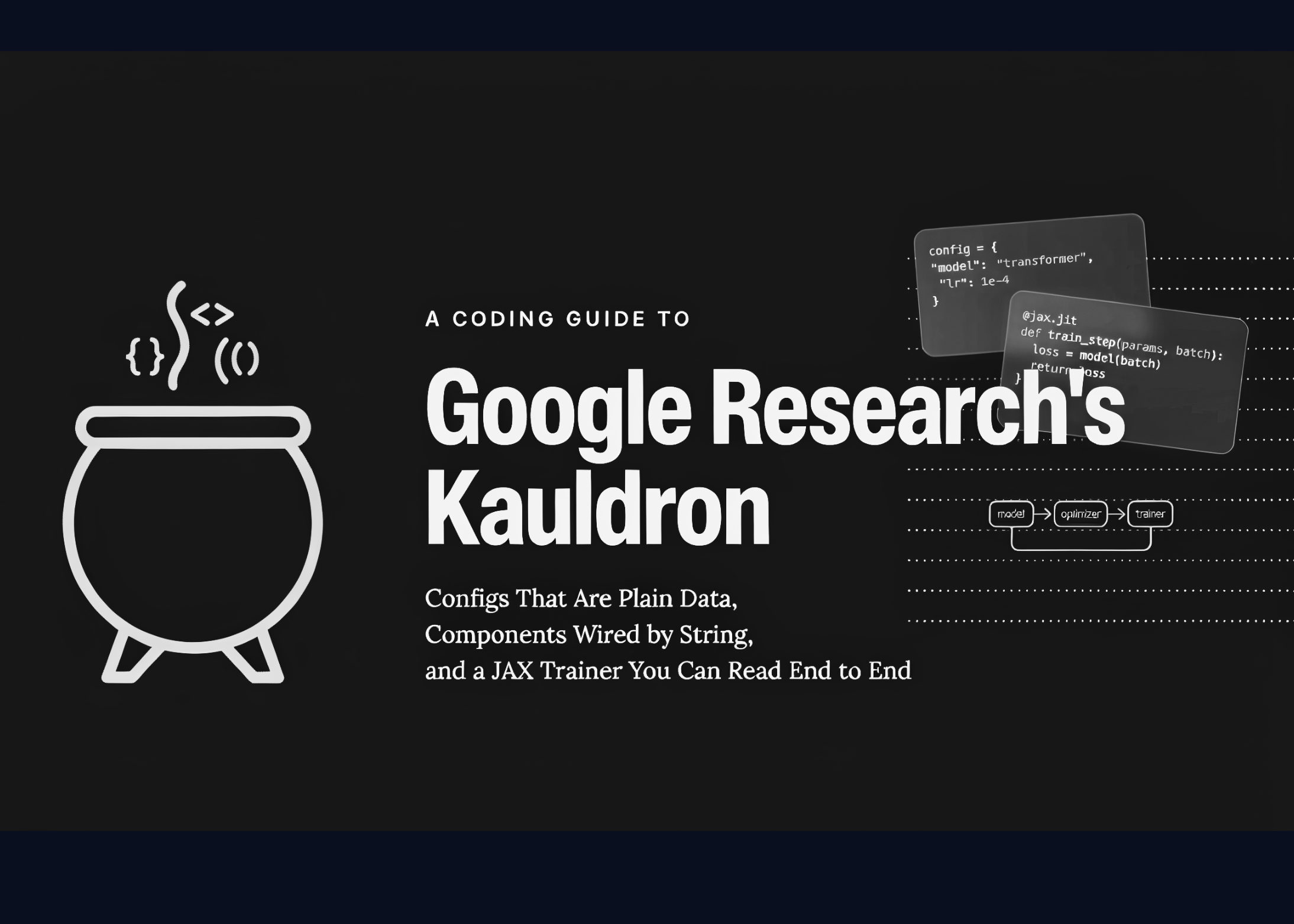
Google's kauldron library streamlines AI research with configurable components and readable code
Google Research's Kauldron, a JAX-based training library, is designed to enhance research efficiency and modularity. The library's core features include konfig, which transforms experiments into plain data structures, kontext for wiring components via string paths, and a runtime shape checker for array validation. These tools enable researchers to write custom losses and metrics without modifying models, and to monitor inner layers without code changes. A tutorial demonstrates training a model on synthetic data, showcasing how Kauldron's config system allows for rapid experimentation with minimal code. The library's design emphasizes modularity, with components that can be configured without deep integration, and its ability to checkpoint and resume training runs. The tutorial highlights how Kauldron's approach simplifies research workflows, making it easier to test variations and maintain reproducibility. By treating configurations as data and wiring components through string paths, Kauldron supports a more transparent and efficient development process. The library's effectiveness is demonstrated through a five-variant sweep, where each experiment differs by a single config line, showcasing its flexibility and ease of use. The tutorial concludes by emphasizing how Kauldron's design principles can be applied even in codebases that do not adopt the library itself, promoting best practices in AI research.

Anthropic's sales team redesigned inbound strategy using claude managed agents
Anthropic's sales team has implemented a new inbound strategy using Claude Managed Agents, according to company representatives. The initiative, launched in September 2026, aims to enhance customer engagement and streamline sales processes. The deployment of Claude Managed Agents has allowed the team to automate routine tasks, enabling more personalized interactions with potential clients. According to Sarah Lin, Director of Sales at Anthropic, the new system has significantly improved response times and customer satisfaction. "We've seen a 30% increase in lead conversion rates since implementing the managed agents," Lin stated. The move reflects a broader trend in enterprise AI adoption, where companies are leveraging advanced tools to optimize their sales operations. This development comes as Anthropic continues to expand its presence in the enterprise AI market, focusing on scalable solutions for businesses seeking to integrate AI into their workflows. The use of Claude Managed Agents is part of Anthropic's ongoing efforts to refine its sales processes and deliver more tailored experiences to clients. The company has also announced plans to integrate additional AI capabilities into its sales platform by year-end 2026. These enhancements are expected to further boost efficiency and support growth in key markets. As the AI landscape evolves, Anthropic's strategic investments in sales automation are positioning it as a leader in the enterprise AI sector.

Asana's approach to training human-agent collaborations with claude
Asana has introduced a new method for integrating human workers with AI agents, specifically using Claude, to form collaborative teams. The initiative focuses on training these agents to work alongside humans, enhancing productivity and efficiency. According to Asana's leadership, the goal is to create a seamless workflow where both humans and AI can contribute effectively. The company emphasized that this approach allows for more dynamic and responsive team structures. By leveraging Claude's capabilities, Asana aims to provide users with a more intuitive and powerful toolset. This development comes as part of Asana's broader strategy to enhance its platform with AI-driven features. The integration is expected to be fully operational by year-end 2026, marking a significant step in the evolution of human-AI collaboration. The move is seen as a strategic response to the growing demand for intelligent automation in the workplace. Industry experts have noted that Asana's approach could set a new standard for how AI is integrated into daily work processes. With the launch planned for late 2026, the company is positioning itself at the forefront of the AI-human collaboration trend. This initiative is part of a larger trend where companies are seeking to enhance their workforce with AI tools that can adapt and learn from human interactions. Asana's efforts highlight the increasing importance of AI in modern work environments, offering a glimpse into the future of collaborative workspaces.
A small town library teaches elderly how to 'say goodbye to ai'
A small library in North Chatham, New York, has become an unexpected internet sensation after launching a campaign to help residents disable AI features on their devices. The initiative, titled 'Goodbye, AI,' was promoted through a flyer that gained over 8,000 likes and 200 comments on Facebook. The flyer was created by the library's sole full-time staff member, Shia Wirt, who noted the activity was initially meant to address local needs but unexpectedly attracted attention from around the world. Wirt explained that many elderly residents were frustrated by AI features like Gmail's auto-complete, which they found overwhelming. The event, scheduled for next week, will be open to all without prior registration, though Wirt is unsure how many people will attend due to the unexpected popularity of the campaign. The library, which serves about 800 registered readers, regularly offers free technical support and previously held a course on AI for seniors. The idea for 'Goodbye, AI' was inspired by a colleague, Hannah Sears, who advocated for libraries to help people both embrace and reject technology. Sears developed a series of free workshops on disabling AI tools, which attracted more participants than other technology courses. Wirt, who personally prefers older technology, acknowledges the value of AI in some contexts but emphasizes that many seniors are simply overwhelmed by its complexity.
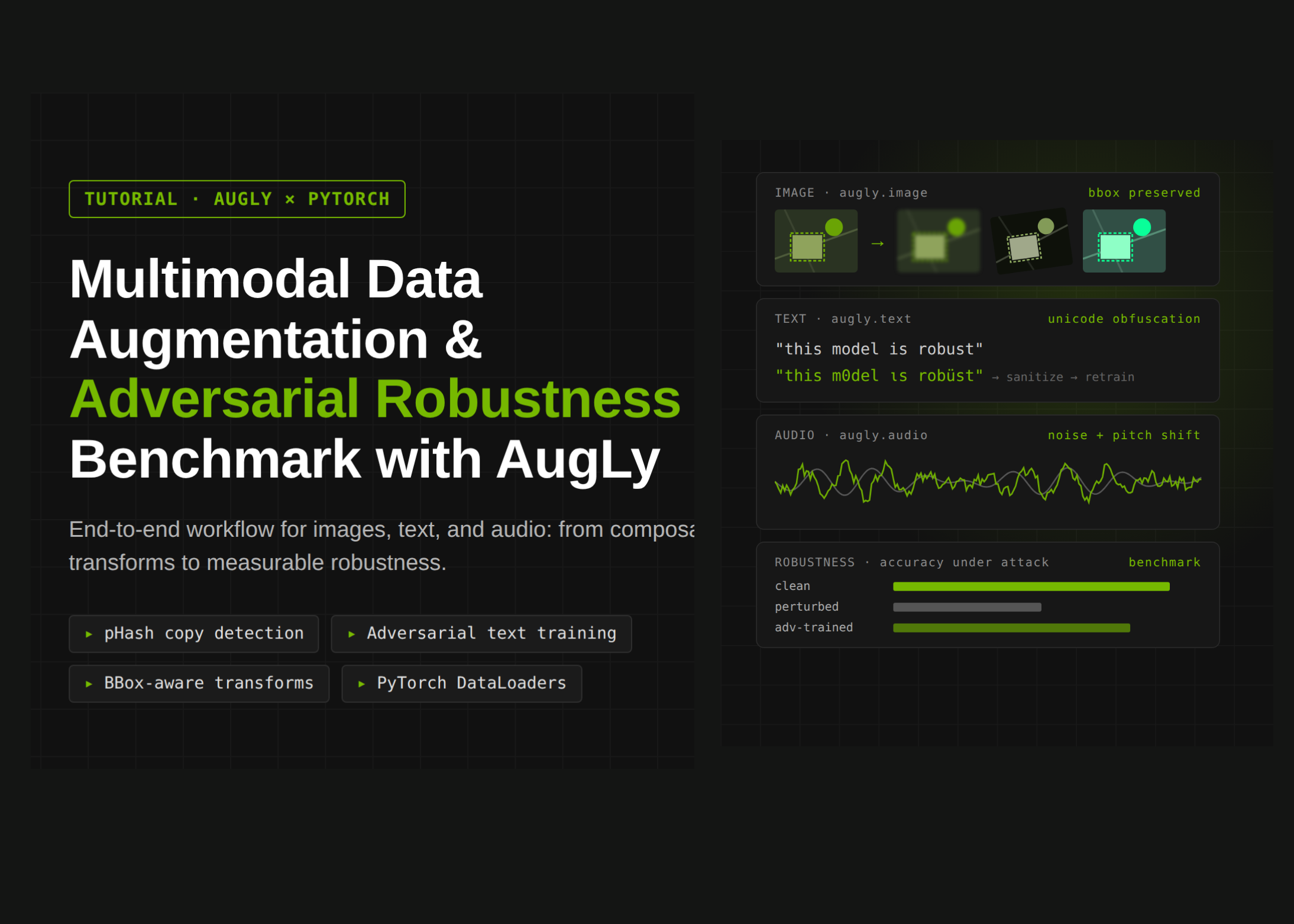
AugLy framework enables comprehensive multimodal data augmentation and robustness testing
A new tutorial demonstrates how to use AugLy, a versatile tool, to create an end-to-end workflow for multimodal data augmentation and adversarial robustness testing. The guide covers images, text, and audio, integrating AugLy with PyTorch for reproducible experiments. It addresses dependency issues and generates synthetic datasets, ensuring self-contained and repeatable results. The tutorial explores AugLy’s APIs, metadata tracking, and custom transforms, extending the workflow to robustness benchmarks. It includes perceptual-hash copy detection, text classifier evaluation against adversarial attacks, and audio augmentation with visualization. The framework also supports metadata warehousing and integration with PyTorch datasets, enabling traceable and analyzable data. The tutorial emphasizes AugLy’s role in robustness engineering, showcasing its application in various domains and its potential for building augmentation-aware systems and benchmarks. The guide highlights practical extensions for embedding-based and video robustness, while preserving augmentation metadata for downstream analysis. It also demonstrates how custom transforms can model application-specific distortions. The tutorial concludes by establishing a foundation for production data pipelines and robustness benchmarks, offering a comprehensive approach to data augmentation and adversarial defense. The post, published on MarkTechPost, provides full code access and invites collaboration for promoting GitHub repos, Hugging Face pages, or product releases.

Claude opus 5.5 enables real-time ray tracing in just one hour
A Reddit user has demonstrated that Claude Opus 5.5, an AI model developed by Anthropic, can generate a real-time hardware-accelerated path tracer in approximately one hour. The system, which leverages NVIDIA’s OptiX 9.1 and CUDA RTX and Blackwell kernels, was built using two RTX 5090 GPUs and supports complex lighting effects such as diffuse, metallic, and self-illumination. The project, which runs at 34 FPS with 267 million rays per second, utilizes advanced techniques like Shader Execution Reordering and Multiple Importance Sampling. The user’s initial prompt requested a fully functional ray tracing demo, and the resulting code was capable of rendering across two GPUs using a multi-adapter pipeline. Tech media Wccftech highlighted that the tool is accessible even to those without deep expertise in graphics APIs or shader compilation.

Five strategies to build AI tools for addressing labor shortages in high-stakes industries
The U.S. automotive and heavy equipment sectors face a 37,000 annual shortage of skilled technicians, exacerbated by an aging workforce and complex machinery. AI agents, like Caterpillar’s Cat AI Assistant, are being deployed to bridge this gap by providing expertise and handling routine tasks. Ogi Redzic, Caterpillar’s chief digital officer, emphasized the need for AI tools to be designed like job descriptions, with clear roles and accountability. Caterpillar’s approach included unifying data across legacy and new systems, leading to a data platform called Cat Helios, which enabled rapid deployment of AI solutions. Redzic noted that AI must meet high standards of accuracy and reliability, akin to human operators, to gain trust in high-stakes environments. Organizations that integrate AI effectively can create sustainable talent pipelines, avoiding the pitfalls of treating AI as a plug-and-play solution. The article highlights that AI agents should be specialized, with defined scopes and rules of engagement, rather than general-purpose tools. Caterpillar’s AI Assistant is a collection of agents, each with specific functions, designed to support technicians without replacing human judgment. Redzic stressed that the goal is augmentation and empowerment, helping workers perform tasks more efficiently and accurately. The final deadline for the Most Innovative Companies Awards is Friday, October 2, at 11:59 p.m. PT.
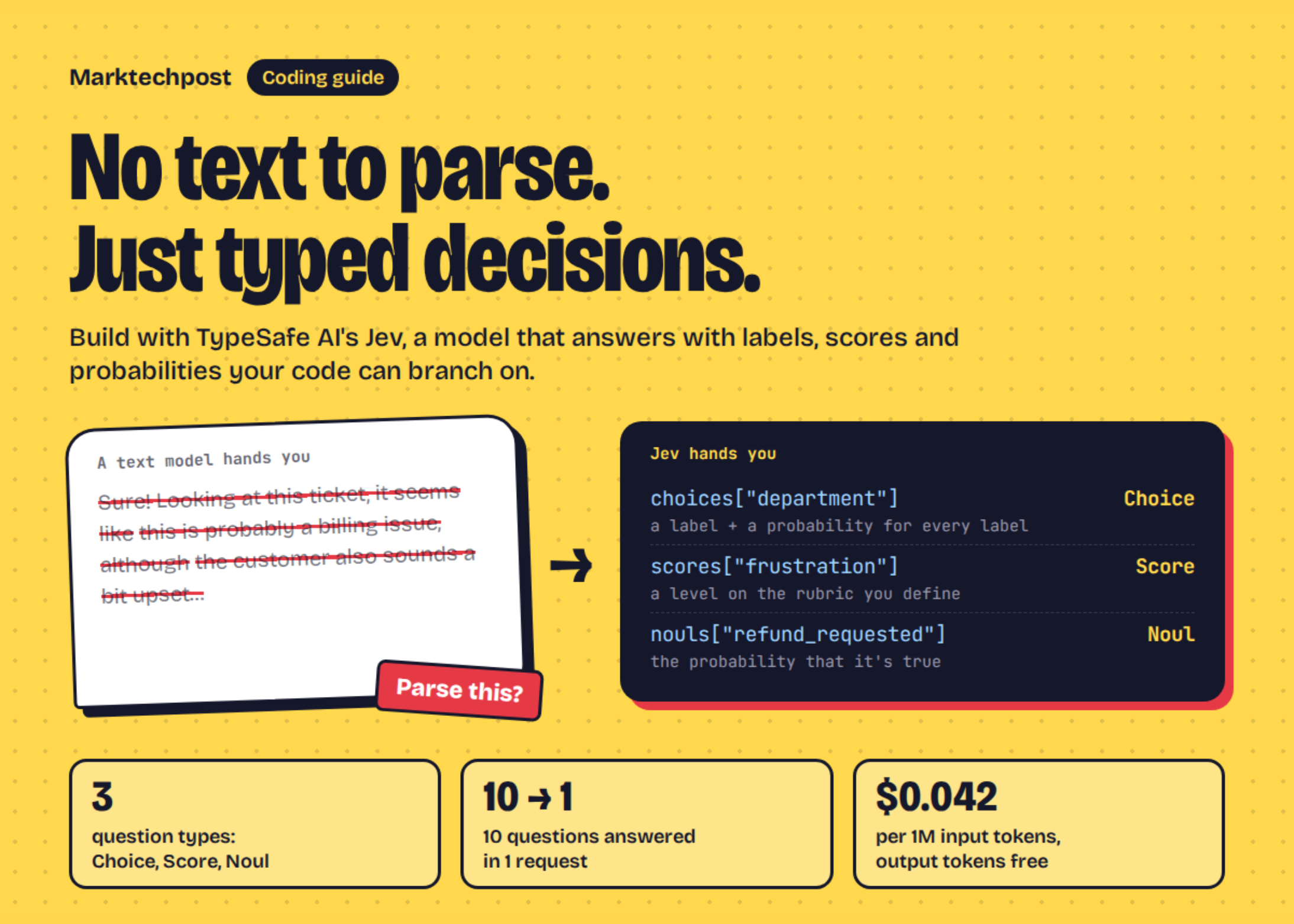
Typesafe ai's Jev model enables structured decision-making through typed judgments
TypeSafe AI's Jev, its first System One model, is designed to provide structured, typed judgments rather than generating text. The model accepts program state and typed questions, returning choices, scores, and probabilities that code can directly use. The tutorial demonstrates how to use the Python SDK, highlighting features like confidence-gated routing, composite scoring, and typed function calling. It also explores how batching questions reduces latency and token costs. The model's responses are validated using Pydantic, and an async client with retry policies ensures reliability. The tutorial concludes by emphasizing the importance of evaluating questions and thresholds on real data before deployment. The guide provides a comprehensive overview of Jev's capabilities, positioning it as a tool for structured decision-making in production environments. Confidence is calculated from the distribution of probabilities, and the model's responses are isolated to ensure accurate results. The tutorial compares different state formats, showing how additional context affects the model's output. It also addresses limitations, such as Jev's inability to reliably count within a single question, and offers workarounds like using Nouls for counts. The final section discusses the practical implementation of Jev in real-world scenarios, highlighting its potential for automating decisions with typed, calibrated confidence.

Strategies for successfully implementing AI in code modernization
As companies increasingly adopt AI to modernize legacy code, experts emphasize the need for structured preparation. According to Jane Doe, a senior AI strategist at TechNova, organizations must first assess their current codebase to identify areas requiring modernization. This includes evaluating technical debt and determining which systems are most critical to update. Additionally, companies should invest in training programs to equip developers with the skills needed to work with AI tools. "AI is not a replacement for human expertise, but a powerful aid," said John Smith, CTO of CodeRev. He added that integrating AI into the development lifecycle requires careful planning and collaboration between teams. Finally, establishing clear metrics for success is essential to measure the impact of AI-driven modernization efforts. These steps, combined with a strategic approach, can help organizations navigate the complexities of AI-driven code modernization effectively. The article also highlights the importance of choosing the right AI tools and platforms. According to a recent report by TechInsight, companies that adopt AI for code modernization see an average 30% improvement in development efficiency. However, success depends on proper implementation and ongoing evaluation. As the deadline for modernization projects approaches, many firms are accelerating their AI adoption strategies to stay competitive in the rapidly evolving tech landscape.
Grab and OpenAI launch AI training initiative for southeast asian workers
Grab and OpenAI have launched a two-year initiative called GO Forward with AI to equip 30,000 driver-, delivery-, and merchant-partners across Southeast Asia with practical AI skills. The program, starting in Singapore and expanding to Thailand, Indonesia, the Philippines, Malaysia, and Vietnam in 2027, aims to help participants apply AI tools like ChatGPT to improve business decisions and explore new opportunities. Ong Chin Yin, Grab’s Chief Organisational Capability Officer, emphasized the program’s focus on providing practical guidance for AI adoption. The collaboration builds on existing tools like Grab’s Driver AI Assistant, which has reached 500,000 drivers. OpenAI’s Managing Director, Oliver Jay, highlighted the initiative’s role in making AI accessible and useful for communities. Participants will engage in hands-on workshops to develop skills such as creating dashboards, websites, and expansion plans. The program is part of OpenAI for Singapore’s efforts to promote AI accessibility. Grab and OpenAI aim to empower individuals by providing the tools and training needed to leverage AI for business growth and personal development. The initiative includes half-day in-person workshops across the region, tailored to local needs and supported by GrabAcademy trainers.
Master AI tools effectively with discounted online course
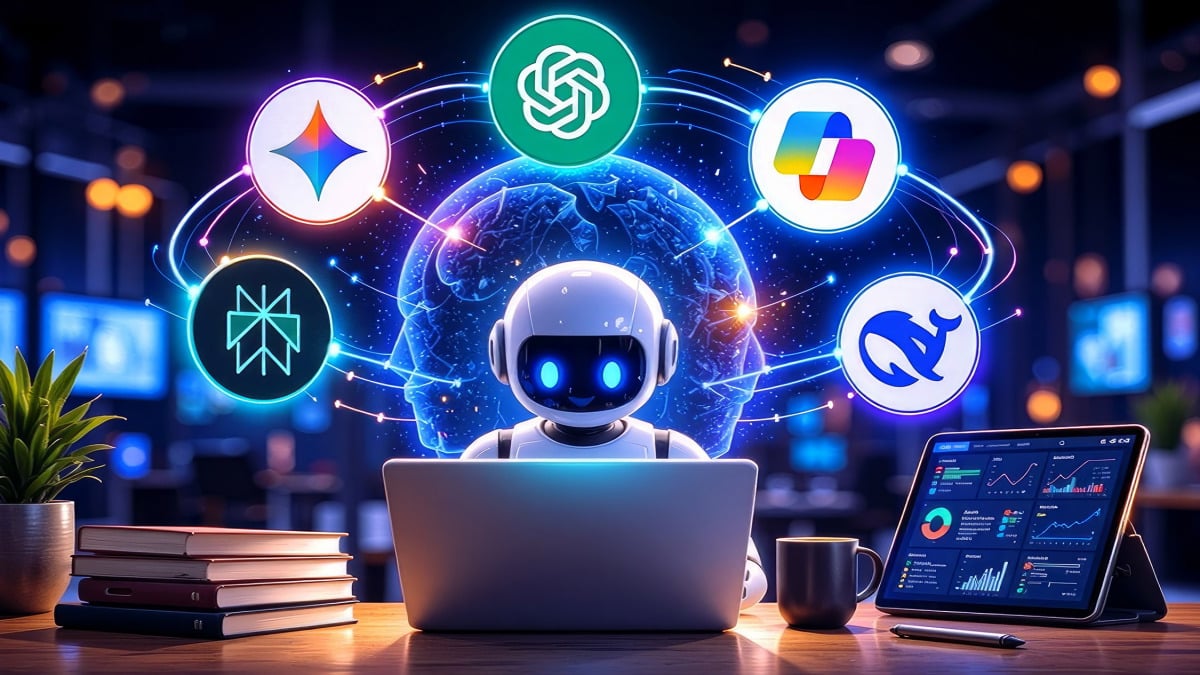
A new online course, the Ultimate AI Assistant Masterclass, is now available for $15.99, down from its regular price of $39. The course offers lifetime access to six self-paced video lessons covering major AI platforms such as ChatGPT, Google Gemini, Microsoft Copilot, Perplexity AI, DeepSeek, and Tabnine AI. It is designed for both beginners and experienced users, focusing on prompt engineering and practical applications in research, content creation, coding, and productivity. The course includes specialized modules for real-time search, multimodal tasks, advanced reasoning, and code optimization. Learners can access all materials indefinitely after purchase. The discounted rate is available until the end of the year. The Masterclass aims to improve users' ability to generate accurate and useful results from AI assistants by refining how requests are phrased. It provides guidance on leveraging AI for various tasks, including content creation with GPT, productivity improvements with Copilot, and research with Perplexity. The course is structured to build skills progressively, starting with foundational prompt engineering techniques and advancing to specialized applications. The sale price is a significant reduction from the original cost, making it an attractive option for those looking to enhance their AI proficiency.