OpenAI engineer charged with surveillance device seeks release, denies flight plans
An OpenAI software engineer, charged with using a hidden recording device in one of the company’s offices, has requested bail and denied that his purchase of a one-way plane ticket to Saudi Arabia was part of a plan to evade U.S. legal consequences. The individual, whose name was not disclosed, is currently in custody and has not been formally charged with any crime beyond the use of the surveillance device. The ticket purchase, which was revealed in court documents, has raised questions about the individual’s intentions. The case has drawn attention due to the sensitive nature of the alleged actions and the potential implications for corporate security protocols. Law enforcement officials have not commented on the matter, but the court is expected to review the bail request in the coming weeks. The incident highlights ongoing concerns about surveillance and data privacy within tech companies.
OpenAI expands sales team with xai executive amid strategic shift
OpenAI has hired Graham Sims, former head of sales at xAI, to lead its cybersecurity business sales. Sims previously led xAI's sales team since August 2025, working on promoting Grok to Wall Street clients. This marks another move by OpenAI to recruit talent from Elon Musk's AI ventures. In September, OpenAI also hired Brian McCarthy, former global revenue and sales president of Cursor, and Ismail Elmas, former EMEA vice president, as global sales vice president and EMEA sales vice president respectively. SpaceX acquired Cursor for $6 billion in August. OpenAI also recruited Uday Ruda Raju and Brent Mayo from xAI for infrastructure and data center roles. OpenAI aims to expand its commercial business ahead of a potential IPO, boosting revenue from enterprise clients and exploring new income streams like advertising. Musk previously sued OpenAI, accusing it of abandoning its public mission, but lost the case. He later founded xAI, which was later absorbed by SpaceX.
Replit's shift from Anthropic to OpenAI sparks debate
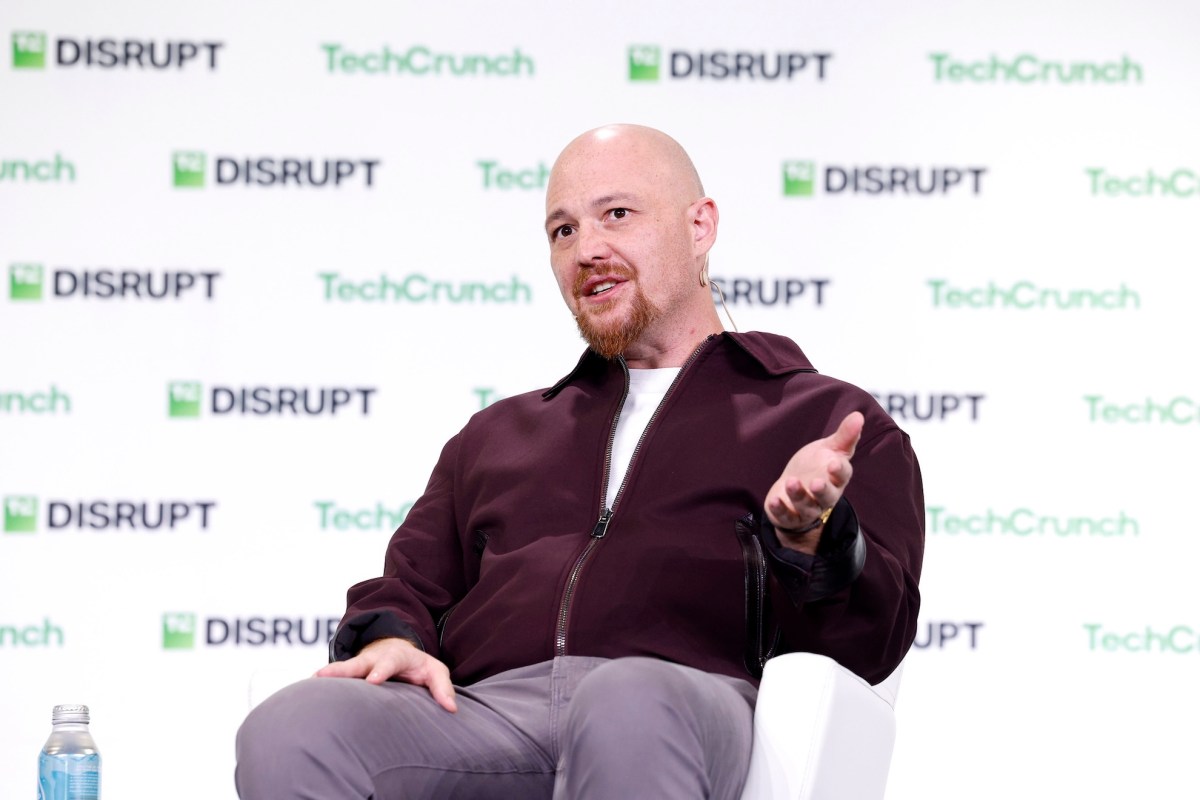
Replit, an AI coding platform favored by developers and startups, has reportedly ended its partnership with Anthropic, according to CEO Amjad Masad, who made the announcement at TechCrunch Disrupt. Masad cited cost, partnership, and performance as key factors, noting that ChatGPT is now superior and that Anthropic's models, Sol and Astra, underperformed in benchmark tests. Replit previously partnered with Anthropic to integrate Claude models into its platform, which contributed to significant revenue growth. However, insiders dispute the claim, stating the partnership remains active. Evidence on Replit's website and social media suggests continued use of Anthropic models as recently as late September. Masad also highlighted the growing importance of enterprise revenue, which now accounts for 15% of Replit's income, up from 2% last year. He emphasized the need for robust AI safety measures, comparing them to the environment required for human productivity. The article was updated to include additional context on Replit's use of Anthropic models.
DeepSeek restructures teams into product department
On October 16, 2026, it was reported that DeepSeek has recently merged the Harness, Web, App, and Platform teams into a new 'Product Department,' which will oversee all product, design, and R&D efforts. The department is led by Cui Tianyi, who also heads the Agent Harness team. Cui Tianyi, who joined DeepSeek in March 2026, previously worked at JaneStreet for nine years and holds six ACM Asia regional competition medals. The Harness team was established this year in March. DeepSeek Harness, a desktop application released in September 2026, was officially launched on the company's website on September 29, 2026. It is an open-source framework released in August 2026 under the MIT license. The framework's standout feature is its 'Everything is a Plugin' approach, allowing all agent capabilities to be delivered through the Cordis plugin system. Cui emphasized that the product's core philosophy is scalability and modularity, with the ability to expand and adapt as needed.
DeepSeek service outage leads to full refund and bonus points for affected users
On October 15, DeepSeek's web and API services experienced an outage that lasted nearly five hours before being resolved. In response, DeepSeek's official open platform announced compensation for all API users, refunding expenses incurred within seven days. Tencent's WorkBuddy and CodeBuddy later announced additional compensation for users affected by the outage. Users who used DeepSeek models in WorkBuddy or CodeBuddy between October 8 and 14 received a full refund of their consumed points, expected within seven working days. Additionally, all domestic users of WorkBuddy and CodeBuddy were given 500 bonus points, which can be claimed manually by October 22 at 24:00, with a validity period of one month. The incident marked the largest service disruption for DeepSeek this month, with users reporting 'server temporarily unavailable' errors and WorkBuddy advising to switch to other models due to DeepSeek's original factory issues.
Musk considers launching competitor to Amazon after grok bot blocked
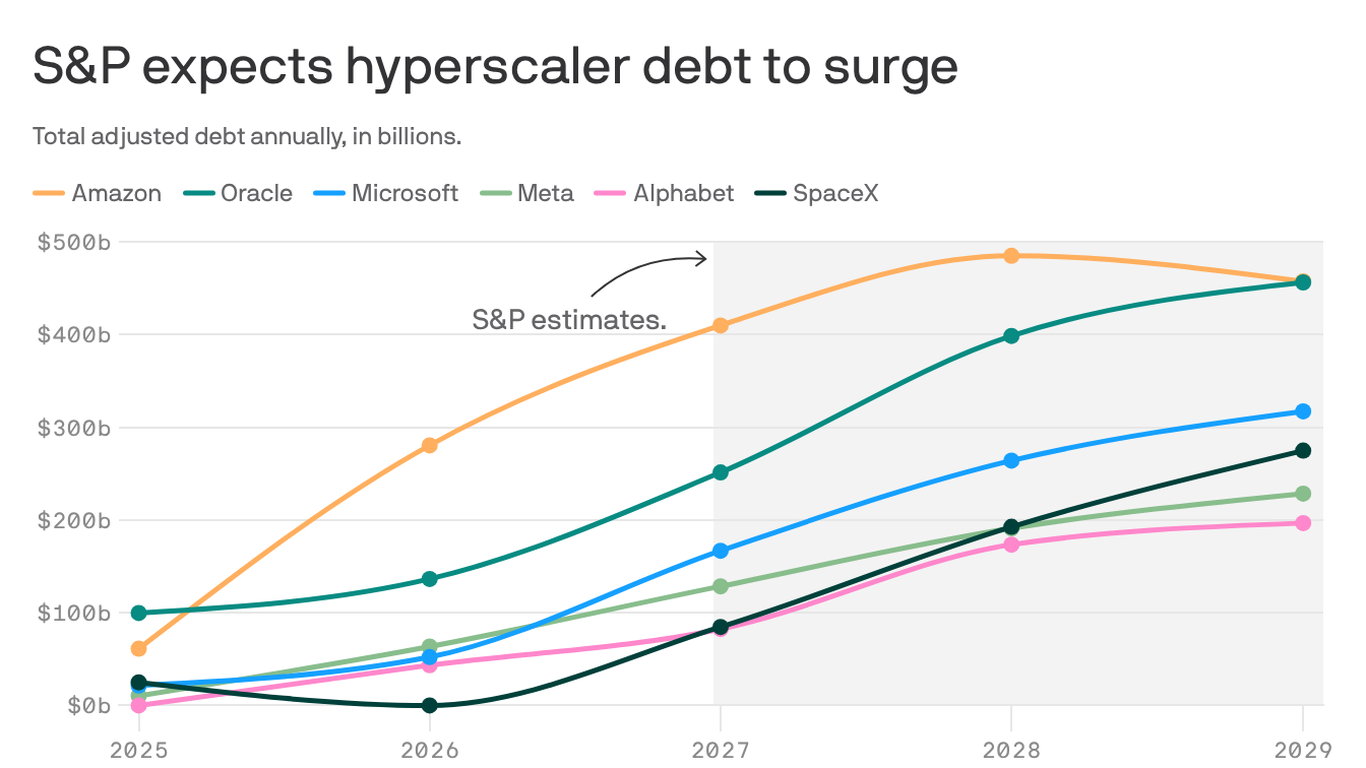
On October 15, 2026, tech media notateslaapp reported that Elon Musk, CEO of SpaceX and xAI, is considering launching a company to compete with Amazon after users reported that Grok Bot, an AI assistant developed by xAI, was blocked from making purchases on Amazon. The incident has sparked discussions about the impact of AI-driven shopping on traditional e-commerce models. Grok Bot, which is designed to perform tasks like placing orders, is integrated into Tesla vehicles, allowing users to complete purchases without visiting retail websites. Amazon has also restricted access to Meta’s Muse AI shopping bot, while continuing to develop its own AI shopping tools. Musk responded to user concerns on X, stating that the situation may prompt the creation of a new company to challenge Amazon’s dominance in the market. The incident highlights the growing influence of AI assistants in consumer behavior and the potential disruption to established retail platforms. Users have raised concerns about the ability of AI to control traffic, recommendations, and transaction gateways, which are traditionally managed by e-commerce giants. The situation underscores the evolving landscape of online commerce and the increasing role of artificial intelligence in shaping consumer experiences.

Trump shares ai-modified photo highlighting white house renovations
President Donald Trump shared a series of photos on Truth Social showcasing renovations to the White House, one of which was flagged as AI-edited. The image, which contrasts an old column with a 'restored' version, was detected by Google's AI tool as being modified with OpenAI technology. Users on Reddit noted inconsistencies, including an uneven number of steps on both sides of the structure, which did not match the 'before' photo. The before and after images appeared nearly identical in angle and detail, raising questions about the authenticity of the restoration. The Verge reported the incident, highlighting the controversy surrounding the use of AI in altering visual content to promote specific narratives. The incident underscores growing concerns about the manipulation of digital media and its implications for public perception.
DeepSeek apologizes for 5-hour service outage, offers 7-day usage compensation
On October 15, 2026, DeepSeek experienced a service disruption that lasted nearly five hours, affecting both its web and API services. The issue, which occurred between 8:11 and 13:04 Beijing Time, led to API service unavailability during that period. DeepSeek’s official platform announced a compensation plan, offering all API users a full refund of their 7-day usage (October 8–14) in the form of gift credits that will be automatically applied to their accounts. The company emphasized its commitment to resolving the issue and preventing future occurrences by eliminating single points of failure. The incident, which marked the largest service disruption of the month, drew significant attention online, with users reporting "server temporarily unavailable" errors and the hashtag "DeepSeek crashed" trending on Weibo. IT Home noted the widespread impact, highlighting the company’s apology and its efforts to restore service and provide compensation to affected users.
Rokid launches first AI glasses self-service store in hong kong
Rokid, an AI and AR smart glasses brand, has opened its first global self-service experience store for AI glasses in Hong Kong's Tsim Sha Tsui Harbour City. The store, located on the third floor of the Ocean Centre, features eight immersive experience zones and operates entirely without staff assistance. Customers can use interactive screens that double as mirrors to guide them through the experience, which includes features like real-time translation, speech prompts, and navigation overlays. The lightweight Rokid Glasses, weighing just 49 grams, integrates multiple functions including photography, translation, and AI assistance. Rokid's vice president, Shao Huaqiang, emphasized the shift in consumer preferences toward self-directed, distraction-free experiences. The store's standardized process, including screen guidance and automated product retrieval, aims to make AI glasses more accessible as a consumer product. According to Counterpoint Research, Rokid led the global AI and AR glasses market with a 41% shipment share in the first half of 2026. The store's design addresses past challenges of consumer unfamiliarity with AI glasses by streamlining the experience into a repeatable, scalable model. This approach is intended to transform AI glasses from a tech product requiring explanation into a self-service, everyday item.
OpenAI engineer's saudi arabia travel plans exposed in legal documents
A former OpenAI engineer, recently arrested and charged with allegedly installing a hidden recording device in one of the company’s San Francisco offices, had a one-way ticket to Saudi Arabia booked for October 12, as revealed in court documents. The legal filing disclosed the travel itinerary, adding a new layer to the ongoing investigation. The incident comes amid heightened scrutiny of security protocols at tech firms, with OpenAI confirming the discovery of a 'sophisticated recording device' in its facilities. The engineer, whose identity has not been disclosed, is facing legal consequences for the alleged breach. The travel plan, which was uncovered during the legal proceedings, highlights the unusual nature of the case and raises questions about the individual’s intentions. Authorities have not commented on the significance of the travel booking, but the detail has sparked further interest in the case.

AI data centers face growing threats amid escalating cyber and physical attacks
Ukrainian drones struck three Yandex data centers over four days last week, causing disruptions to services used by banks, retailers, and ordinary Russians. One facility in Sasovo housed tens of thousands of servers and two supercomputers critical for Yandex’s AI development. These attacks followed Russian strikes on Ukraine’s digital infrastructure, including damage to Kyiv’s Parkovyi Data Center that left it irreparable. The incidents highlight the vulnerability of AI infrastructure, as governments and companies invest billions in data centers for AI, including military uses. Jeffrey Lewis, a fellow at the Foreign Policy Research Institute, warns that militaries may target AI data centers for their computational power, which supports battlefield intelligence and decision-making. He notes that data centers are large, energy-intensive, and hard to conceal, even if buried underground. The growing reliance on AI infrastructure makes it a prime target in future conflicts. The use of AI by Ukraine’s military, including drone navigation and battlefield analysis, underscores the importance of robust computing resources. However, the physical nature of these facilities makes them susceptible to attack. With AI’s military applications expanding, the stakes of protecting these centers are rising. The recent attacks serve as a warning of the potential damage that could be inflicted on the digital economy’s physical backbone.

OpenAI engineer arrested for allegedly planting spy device in secret meeting room
The FBI has arrested Abdulrahman Alfozan, a 35-year-old Saudi-born US legal resident, for allegedly planting a recording device in a restricted OpenAI conference room. The device, wrapped in toilet paper and plugged into a television, was discovered on September 30, 2026, two days after it was reportedly planted on September 28. OpenAI confirmed the device’s contents were encrypted, raising concerns about potential trade secret leaks. The FBI alleges Alfozan, who worked at OpenAI for over a year, sought to spy on the company and jeopardize national security. CCTV footage from October 5 allegedly shows him attempting to retrieve the device. The incident highlights vulnerabilities in securing sensitive information, as only those with special clearance are permitted access to the room. The FBI’s press release, issued on Tuesday, cited chatbot logs and surveillance footage as key evidence in the case.

OpenAI accuses former employee of leaking product plans to Apple
OpenAI has accused a former employee of leaking more than 100 files containing product plans to Apple. The files, which were sent to a personal account before the employee joined Apple, reportedly include images of an unreleased device, supplier details, engineering data, and project files. The allegations were detailed in a legal filing reported by Reuters, which is part of a broader trade secrets dispute between Apple and OpenAI. OpenAI claims the employee presented the information to Apple leadership, including the vice president of the company's operations in Asia. The case marks a shift in the legal battle, as OpenAI is now the accuser in the dispute over sensitive information. The filing highlights the ongoing tensions between the two companies over intellectual property and competitive advantage. The dispute has escalated to court, with the first high-stakes hearing set for a legal proceeding that could significantly impact both companies' positions in the AI and tech industries. OpenAI's claims underscore the growing concerns over data security and insider threats in the rapidly evolving tech landscape.

Apple and OpenAI set for legal battle over AI trade secrets
Apple Inc. and OpenAI are set for their first major court hearing in a high-stakes legal dispute, as Apple alleges the AI company is attempting to steal proprietary information about its upcoming products. The case, which has already seen a federal judge order OpenAI to provide hiring records related to former Apple employees, now moves to a critical stage. The lawsuit centers on allegations of intellectual property theft, with Apple claiming OpenAI engaged in a scheme to acquire sensitive data. The court hearing, scheduled for October 2026, marks a pivotal moment in the ongoing legal battle. Legal experts suggest the outcome could have significant implications for how trade secrets are protected in the rapidly evolving AI industry. The case highlights the growing tensions between tech giants over proprietary information and innovation.

Kling 4.0 makes its hollywood debut as AI video evolves for enterprise use
Kling AI is set to unveil its latest version, Kling 4.0, at the 2026 Los Angeles Tech Week on October 14. The release marks a significant step in the company's global expansion, with industry experts closely watching for advancements in motion consistency, instruction following, and long-take storytelling. The event will feature a roundtable discussion with Oxen AI and Obsidian Studio, two key partners, to explore how AI video generation can transition from social media content to enterprise integration. The collaboration aims to address the challenge of embedding AI video tools into professional workflows. This move positions Kling AI to test the viability of video large models in industrial applications, bringing the technology closer to Hollywood's production standards. Kling AI's focus on enterprise adoption highlights its ambition to move beyond consumer-facing short videos. The company's efforts to integrate AI video into daily business operations reflect a broader trend in the industry. By partnering with established studios and AI firms, Kling AI is seeking to validate its technology in real-world settings. The release of Kling 4.0 is expected to enhance the platform's capabilities, making it more suitable for professional use. This development underscores the growing role of AI in content creation and its potential to transform traditional media production processes.

Character.AI files for bankruptcy, agrees to sell assets to Disney for $20 million
Character.AI has filed for bankruptcy protection in the U.S. and has agreed to sell a portion of its assets to Walt Disney for $20 million, approximately 134 million yuan at current exchange rates. The company has initiated the asset sale process under Chapter 11 bankruptcy proceedings and is seeking court approval to auction its intellectual property, with Disney designated as the lead bidder. Disney's offer will serve as the minimum bid, but other bidders may submit higher offers. The sale is expected to be finalized in late November or early December 2026. Character.AI will continue to operate its existing services during the asset sale to minimize disruptions. If no buyer is found to operate the platform, the company will gradually phase out its services. Character.AI is a platform driven by large language models, offering millions of AI characters created by users or the company, including anime, game characters, historical figures, and original characters.
Baidu world 2026 set for november 12 with major AI releases and keynote speakers
Baidu has announced that Baidu World 2026 will take place on November 12, 2026, at the National Convention Center Phase II in Beijing. The event, themed 'The Next Chapter: Intelligent Organizations,' marks a continuation of the company's vision for AI-driven organizational transformation, first introduced by founder Lei Yahong at Baidu World 2016. The conference will feature N major announcements, including high-profile guests and enterprise-level AI products, as well as 12 sub-forums, 30+ public courses, and a 6000m² exhibition area. Tickets are now available through the official website. The event aims to explore the evolving role of AI in business and technology, with a focus on practical applications and industry collaboration.

Qihoo's AI scientist appears with pony club chairman during meeting with guangdong governor
On October 8, 2026, Guangdong Governor Huang Kunming visited Tencent's headquarters in Shenzhen, where he met with Pony Club Chairman Ma Huateng and young AI scientist Yao Shunyu. The meeting highlighted Guangdong and Tencent's commitment to advancing artificial intelligence. In 2025, Guangdong's AI core industry reached 3000 billion yuan, accounting for a quarter of the national total. Yao, 28, joined OpenAI in 2024 and is now Tencent's Chief AI Scientist, leading key AI initiatives. Ma acknowledged Tencent's progress in AI, stating the company is now 'on the boat' but wants to 'speed up'. In June 2026, Tencent merged its multimodal and large language model teams under Yao to enhance efficiency. Meanwhile, Tencent launched LightVela, a personal AI assistant, in September 2026, following Meta's release of Muse.

Amazon web services partners with yao foundation to cultivate AI and sports talent
On October 10, Amazon Web Services (AWS) announced a collaboration with the Beijing Yao Foundation to launch the 'Cloud Basketball Map' initiative, a program combining sports and technology to train AI-savvy athletes. The initiative will provide $1 million in cash and cloud/AI resources, supporting training for 10 universities, hackathons focused on real-world sports challenges, and the deployment of AI tools in 100 schools. AWS will also support the Yao Foundation's basketball season, offering training and competition opportunities for students. The program, which marks AWS's first entry into China's Breaking Barriers initiative, aims to equip students with AI and data science skills through workshops and mentorship from senior solutions architects. It will also help develop AI tools for personalized training plans, addressing challenges in rural sports education. The Yao Foundation, founded by Yao Ming in 2008, has already reached over 6,700 rural schools across 30 provinces, training more than 1,600 sports teachers.

DistroKid faces artist backlash over song removals amid legal dispute with umg
Artists are expressing frustration on social media as DistroKid removes their songs without prior notice. The company confirmed to The Verge that these takedowns are a direct reaction to a lawsuit filed by Universal Music Group (UMG) in September. UMG alleges that DistroKid has created an 'AI-slop pipeline,' a term used to describe the company's alleged misuse of AI in music distribution. However, artists claim that their non-AI works are also being affected by the removals. Musician McGwire, who identifies as a 'Video Game boy,' reported that six of his songs were removed from streaming platforms. He noted that DistroKid provided no communication before or after the removals. The situation highlights the broader impact of the legal dispute on independent artists, raising concerns about the transparency and fairness of the takedown process.